
“White ant” is what most Malaysians call them, though they’re not ants at all. Older folks especially still use the term, probably passed down from parents who dealt with the same problem in the same houses decades ago. Whatever you call them, the damage they do hasn’t changed much over the years, and neither has the climate that lets them thrive here.
A lot of homeowners only look into white ant treatment once they’ve already found a soft patch in a door frame or heard that hollow knock when tapping a beam. By then, the colony’s usually been working for a while.
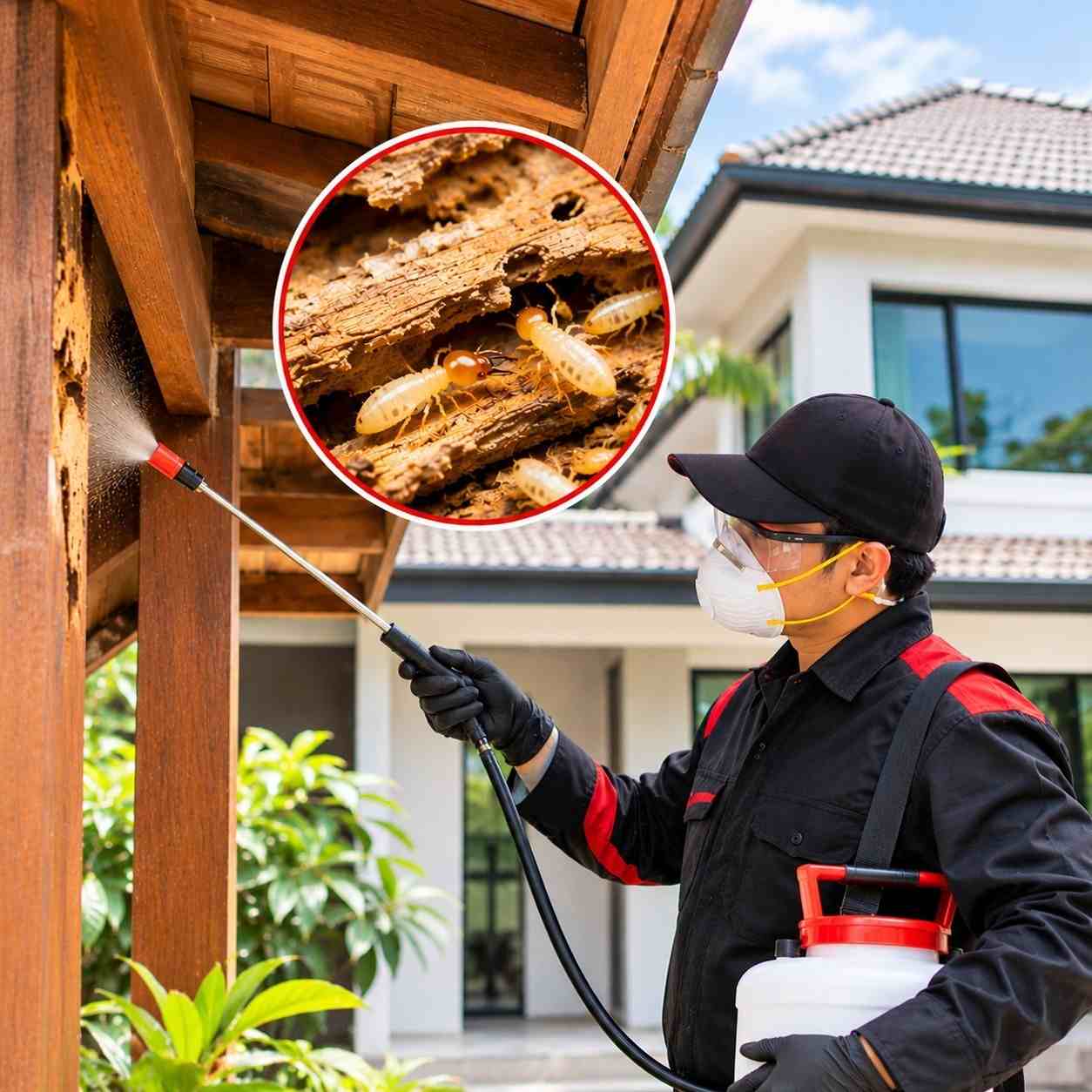
What Are White Ants and Why Are They a Problem in Malaysia?
White ants are termites, and Malaysia's weather suits them almost perfectly. Warm soil, consistent humidity, rain spread across most months of the year. Subterranean colonies in particular need that moisture to survive, and they're resourceful about finding it, a hairline crack near a foundation or a small gap around a plumbing pipe is often all it takes to get inside.
Once in, they go after structural timber first, usually the parts of a house people don't check often. Roof trusses, door frames, skirting boards. Older landed homes with more exposed wood tend to face this the most, though newer properties aren't immune either, especially if termite-proofing wasn't done properly during construction.
Request a Free QuoteSigns You Need White Ant Treatment
A few things worth watching for around the house:
Mud tubes running up a wall, pillar, or foundation, usually about pencil-thick
Timber that sounds hollow or papery when tapped, instead of solid
Wings scattered near a window or light fixture, often after a humid evening
Doors or windows that suddenly stick for no clear reason
Skirting boards that feel soft or look slightly warped
Fine, powder-like debris collecting near wooden furniture or frames
One sign alone might not mean much. Two or three at the same time usually does. That's the point where booking white ant treatment stops being optional and starts being the cheaper option compared to waiting.
Our White Ant Treatment Process
Free inspection
A technician checks the foundation, timber structures, and any areas prone to moisture, looking for both active colonies and existing damage.
Identification
Confirming which species is involved, since subterranean and drywood termites respond to different treatments entirely.
A plan built around what's found
Not a generic package, something specific to the property and the extent of the problem.
Treatment application
Carried out by trained technicians using products safe for families and pets.
Follow-up checks
To confirm the colony's actually gone, not just quiet for a few weeks.
Prevention advice
Mostly around moisture control, since that's usually what brought termites in to begin with.
White Ant Treatment Methods We Use
Different infestations call for different approaches, and using the same method everywhere is part of why some problems come back.
Soil treatment works by creating a continuous chemical barrier in the soil around the foundation. When subterranean termites pass through the treated area, they come into contact with the chemical and are affected by its killing action. This barrier helps prevent termites from entering the building through the foundation, pipes, and concrete joints, providing long-term preventive protection against future termite attacks.
Baiting systems work more slowly but reach the entire colony. Stations placed around the property let termites feed and carry the bait back to share with the rest of the nest, queen included, through a natural feeding process. Results take weeks rather than days, but the coverage is more complete.
Drilling and Injection involves drilling small holes into the ground around the building’s foundation and injecting termiticide into the soil. This creates a continuous chemical barrier that kills subterranean termites upon contact and helps prevent them from entering the structure through the foundation, pipes, and concrete joints, providing long-term protection against termite infestation.
Why Choose PestGuard Solution?
A good provider starts with an honest inspection, not a quote pulled out of thin air before anyone’s looked at the property. PestGuard Solution builds every plan around what’s actually found on site. Technicians train to proper safety standards, and the products used stay eco-friendly throughout, which matters with kids or pets in the house. You get a clear answer about what’s happening and what it takes to fix it.
How to Prevent White Ants Returning
A few habits that help keep termites from settling back in:
- Fix leaking pipes and taps promptly, damp timber attracts termites fast
- Keep firewood, old furniture, or scrap wood away from exterior walls
- Make sure drainage around the foundation works properly, so water doesn’t pool
- Check roof voids and ceiling spaces now and then, even without obvious signs
- Avoid direct wood-to-soil contact during renovations
- Schedule a professional inspection once a year, whether or not anything looks wrong
What Affects the Cost of White Ant Treatment?
A few variables decide the final number. Property size matters, since a bigger perimeter needs more bait stations or a longer soil barrier. How far the infestation has spread matters too, early-stage problems cost a fraction of what a severe one does. The method chosen plays a role as well, baiting usually runs as an annual plan while soil treatment gets priced per job. Accessibility counts for something too, tight crawl spaces or awkward foundations add labor time.
None of these numbers mean much without an actual site visit. Anyone quoting a price over the phone, with no inspection, is guessing.
Frequently Asked Questions
Get Your Free White Ant Inspection Today
A sticking door, a faint mud line creeping up a wall, wings scattered near a window. None of it fixes itself, and waiting rarely makes the job cheaper. Book a free inspection and find out exactly what's going on before it turns into a bigger repair bill.
Contact us