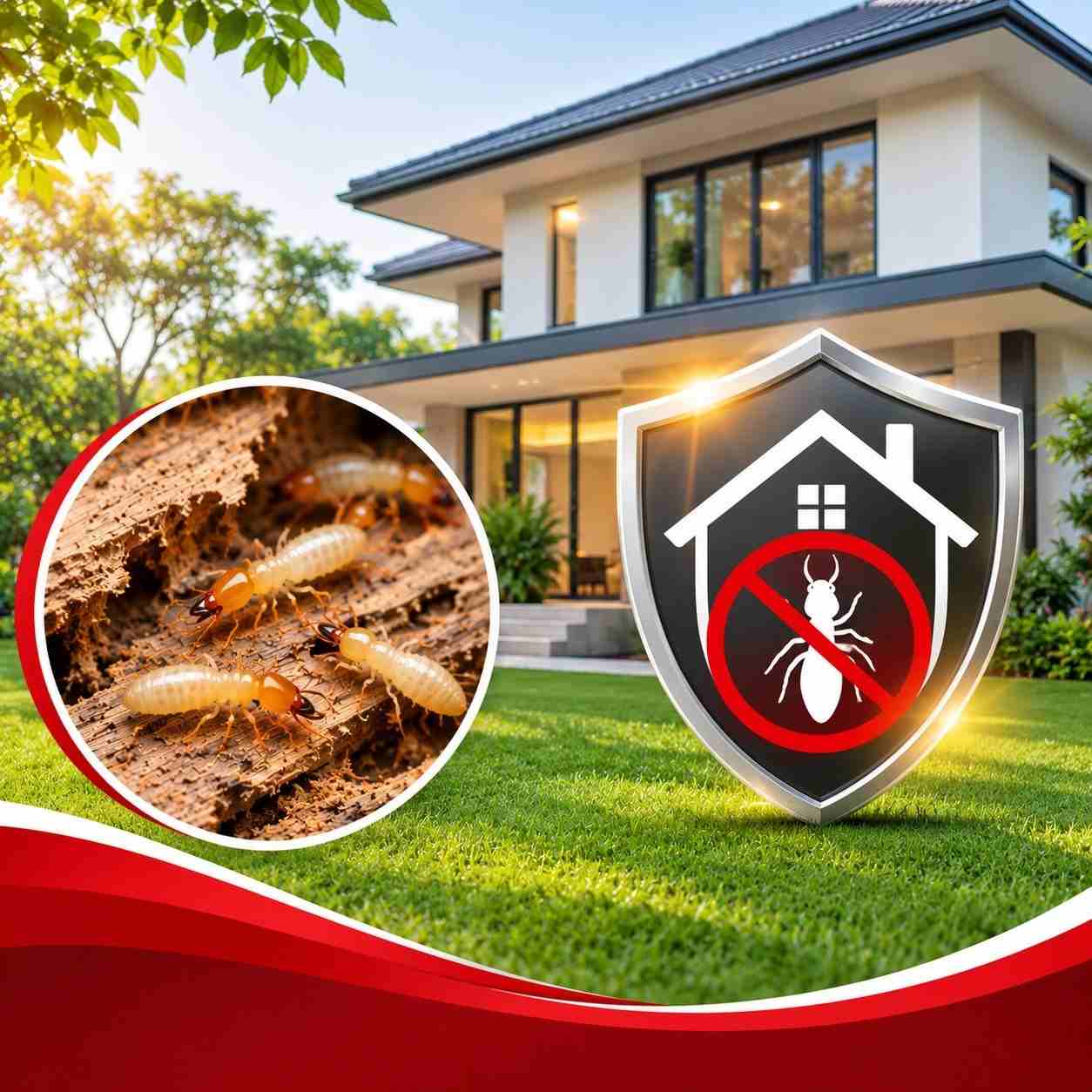
Professional Termite Treatment in Malaysia

Termites don’t knock. They don’t leave a mess you can see from across the room, either — not until the damage is already done. By the time most homeowners spot a problem, the colony’s been working for months, sometimes years.

Malaysia’s climate doesn’t help. Warm, humid, rains on and off all year — it’s practically an open invitation for subterranean colonies to set up shop under your foundation. That’s exactly why termite treatment in Malaysia isn’t something to put off until “next month.”

termite treatment
Termite Treatment

What Is Termite Treatment?

Termite treatment is the process of locating, eliminating, and preventing termite colonies from damaging a structure. It's not a single spray-and-done job. A proper termite treatment plan usually combines inspection, targeted chemical or bait application, and ongoing monitoring.
Two broad categories exist:

  • Subterranean termite treatment – targets colonies living in soil, usually the bigger threat to Malaysian homes
  • Drywood termite treatment – deals with colonies nesting directly inside timber, furniture, or structural wood
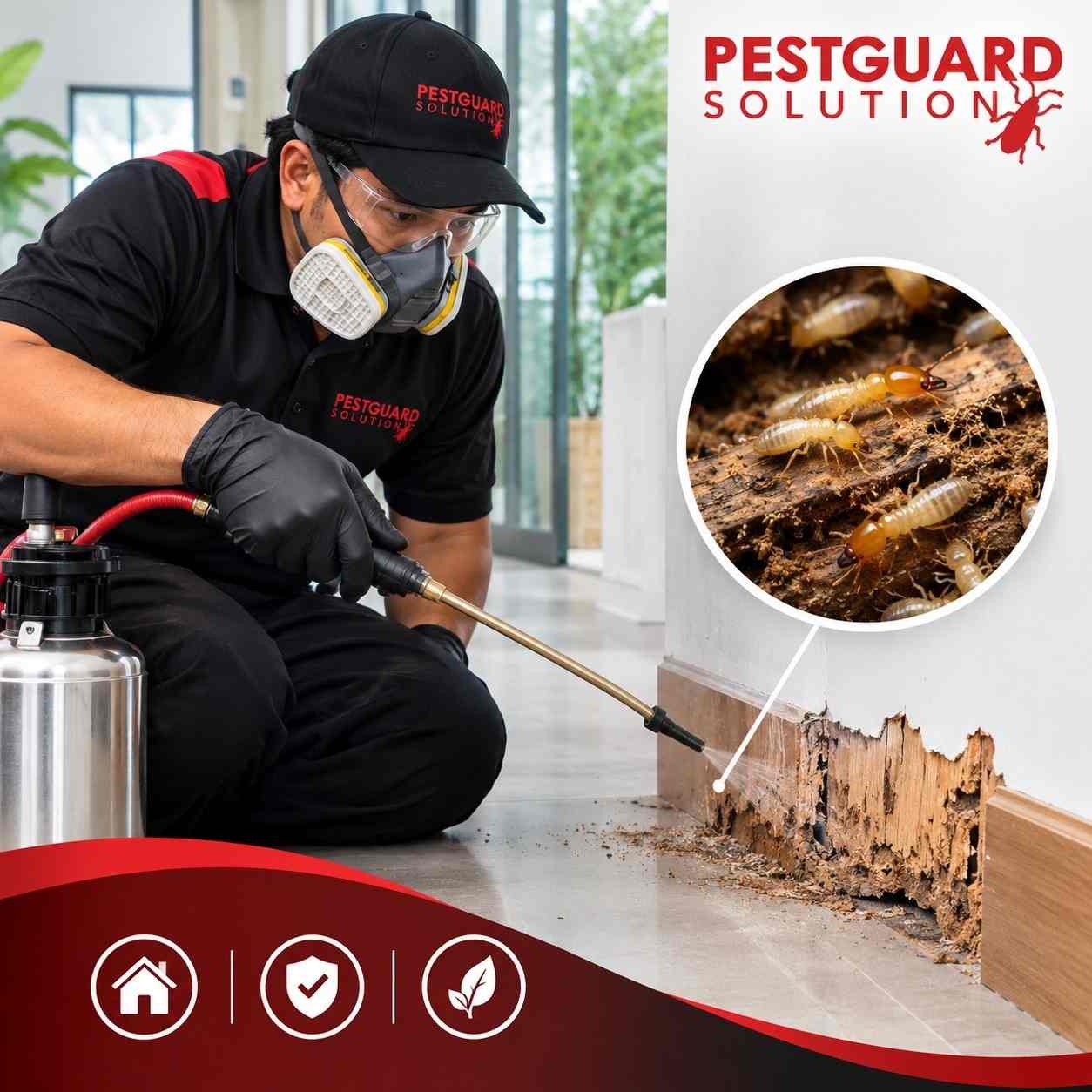
Each requires a different approach, which is why a DIY can of insecticide rarely solves the problem. It might kill the termites you see. The ones underground? They keep going.

Request a Free Quote
termite treatment malaysia

Signs You Need Termite Treatment

Some signs are obvious. Others, not so much. Watch for:

  • Mud tubes running up walls, pillars, or foundations (about the width of a pencil)
  • Hollow-sounding timber when tapped
  • Discarded wings near windowsills or doors — a classic sign of swarming season
  • Sagging floors, ceilings, or door frames that suddenly won't close properly
  • Small holes or blistering in wood surfaces, sometimes mistaken for water damage
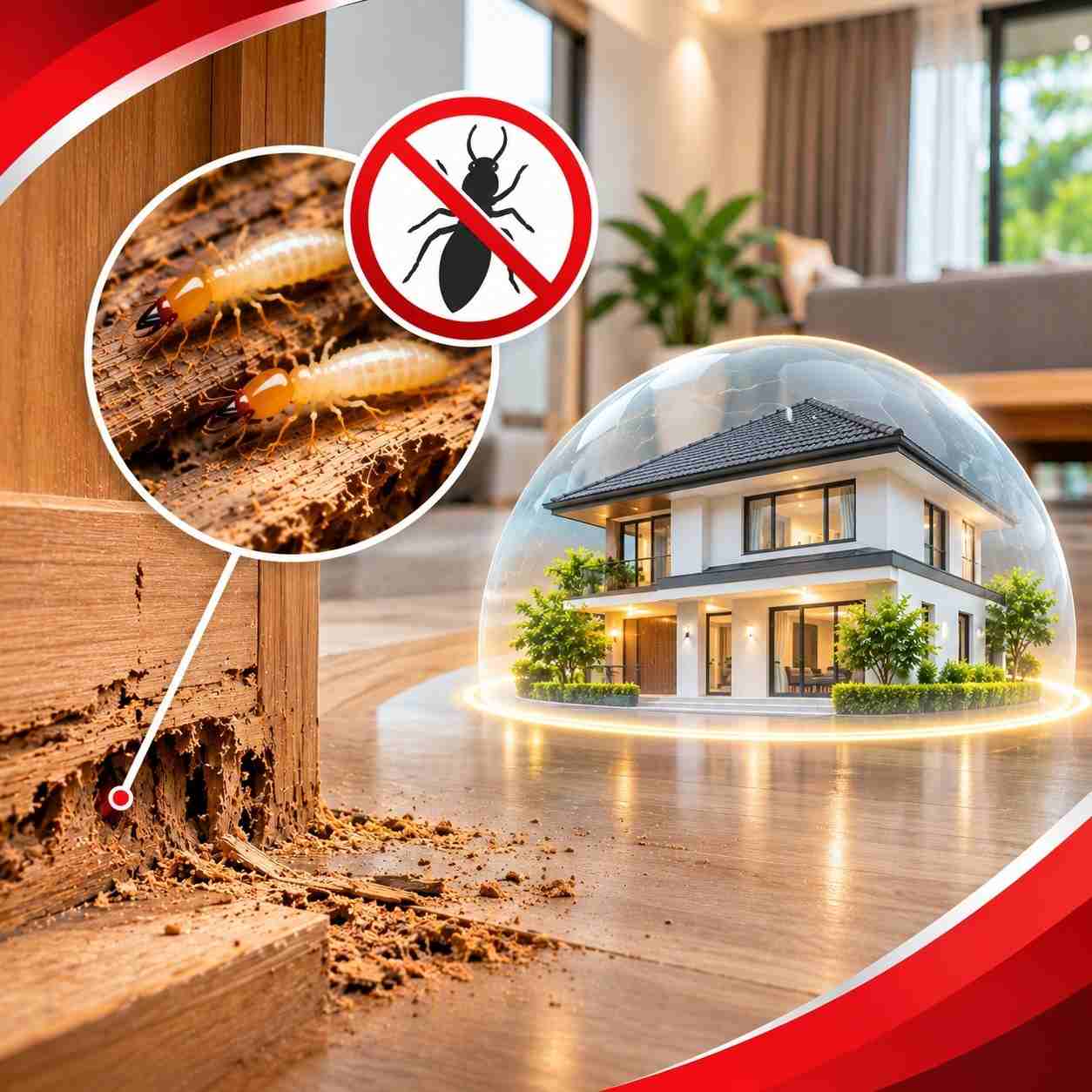
Noticed even one of these? Don't wait around hoping it resolves itself because it won't.

Our Termite Treatment Methods

Different infestations call for different tools. Here’s what a reliable termite treatment company typically has in its arsenal.

Termite Baiting System

Bait stations get installed around the property perimeter, loaded with a slow-acting substance termites carry back to the colony. Workers share food through trophallaxis — basically mouth-to-mouth feeding — so the bait spreads through the entire nest, queen included. Slower than liquid treatment, sure. But it’s precise, low-disruption, and genuinely effective at wiping out the whole colony rather than just the visible foragers.

Soil Treatment (Liquid Termiticide)

This one creates a continuous chemical barrier in the soil surrounding your foundation. Termites can’t cross it without picking up a lethal dose, and a lot of modern termiticides are non-repellent — meaning the insects don’t even detect it until it’s too late. For homes already showing subterranean activity, soil treatment tends to deliver faster knockdown than baiting alone.

Drilling and Injection for Drywood Termites

Drywood colonies live inside the timber itself, so surface spraying does almost nothing. Technicians drill small access points into infested wood and inject termiticide directly into the galleries. Done right, it reaches deep into the wood structure without tearing the place apart.

termite treatment company
Our Process

Our Termite Treatment Process

Here's roughly how a job runs, start to finish:

  1. Free on-site inspection – a technician checks for mud tubes, moisture damage, swarm evidence, and accessible entry points.
  2. Assessment and treatment plan – based on infestation type, severity, and your property layout.
  3. Treatment application – baiting, soil treatment, drilling, or a combination.
  4. Post-treatment monitoring – follow-up visits to confirm the colony is gone and catch any re-infestation early.
  5. Preventive advice – practical steps to lower the odds of termites coming back (moisture control matters more than people think).

Why Choose PestGuard Solution?

Experience counts for a lot here, and so does the approach. We use eco-conscious products that protect your family and pets without cutting corners on effectiveness. Technicians go through proper safety training before they ever step onto a job site, and every inspection starts free — no pressure, no guesswork, just a clear picture of what’s actually going on in your walls.

Costing

Termite Treatment Cost in Malaysia

quote image

    Pricing depends on a few moving parts: property size, infestation severity, termite species, and which method gets used. As a rough guide:

    • Baiting systems: around RM1000–RM1,300 annually for an average residential property
    • Soil treatment: typically RM800–RM2,500+, scaling with perimeter length and foundation access
    • Drilling/injection for drywood termites: priced per area treated, usually lower for isolated infestations

    None of these numbers mean much without seeing your actual property, though. A free inspection gives you an accurate quote instead of a guess pulled from a brochure.

    Areas We Serve

    We cover residential and commercial properties across Selangor and the greater Klang Valley, including Seri Kembangan, Puchong, Shah Alam, Subang Jaya, Petaling Jaya, and surrounding areas.

    FAQs

    Frequently Asked Questions

    How long does termite treatment take to work?
    Baiting systems can take several weeks to months, since the goal is colony-wide elimination. Soil treatment and direct injection usually show faster results — often within days for visible activity.
    Is termite treatment safe for children and pets?
    Yes, when handled by trained technicians using approved, eco-friendly products. Some treatments do require you to stay clear of the area temporarily — your technician will tell you if that applies.
    How do I know if I need subterranean or drywood treatment?
    A proper inspection settles this. Mud tubes usually point to subterranean activity; wood with hollow galleries and no soil contact usually means drywood termites.
    How often should termite treatment be done?
    It depends on the method and your property's risk level. Baiting systems typically need annual renewal, while soil barriers can last several years before requiring reapplication.
    Can I treat termites myself?
    DIY termite treatment is not recommended, as only licensed professionals are generally permitted to install termite baiting systems or apply termiticides. Professional termite treatment uses registered chemicals approved for safe use on the premises, ensuring proper and effective termite control.

    Get a Free Termite Inspection Today

    Termite damage doesn't slow down while you're deciding what to do. If you've spotted any warning signs — or just haven't had an inspection in a while — get in touch for a free, no-obligation site visit. Catching it early is always cheaper than catching it late.

    Contact us